Home / Product Insights /

1. Oats
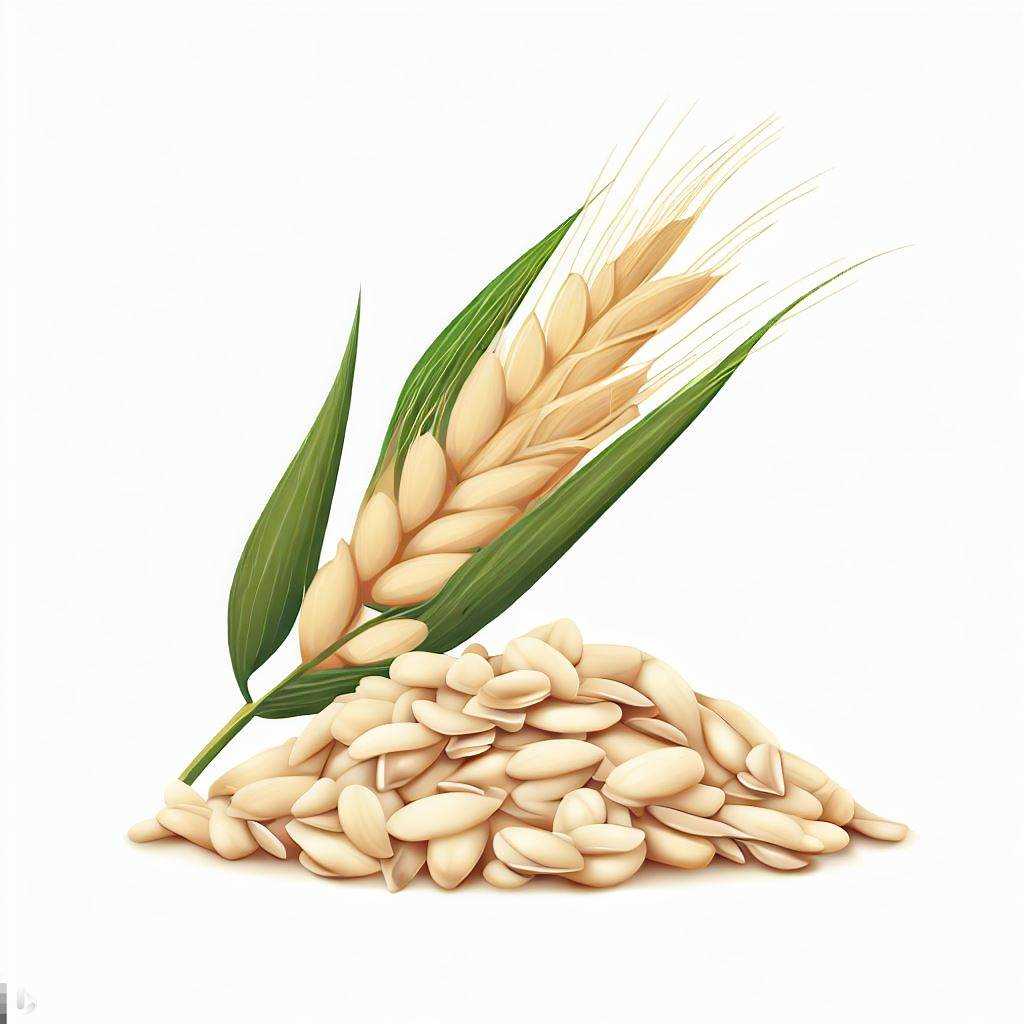 Oats have gained significant recognition for their dual advantages in
promoting heart health and aiding diabetes management. Their low
glycemic index and abundant fiber content contribute to stabilizing
blood sugar levels. Beyond this, oats offer a rich supply of crucial
nutrients and beta-glucans, which play a pivotal role in enhancing
insulin functionality and facilitating weight management. As a result,
oats assume a vital role in the holistic approach to diabetes care,
ensuring overall health and well-being.
Oats have gained significant recognition for their dual advantages in
promoting heart health and aiding diabetes management. Their low
glycemic index and abundant fiber content contribute to stabilizing
blood sugar levels. Beyond this, oats offer a rich supply of crucial
nutrients and beta-glucans, which play a pivotal role in enhancing
insulin functionality and facilitating weight management. As a result,
oats assume a vital role in the holistic approach to diabetes care,
ensuring overall health and well-being.
2. Wheat germ
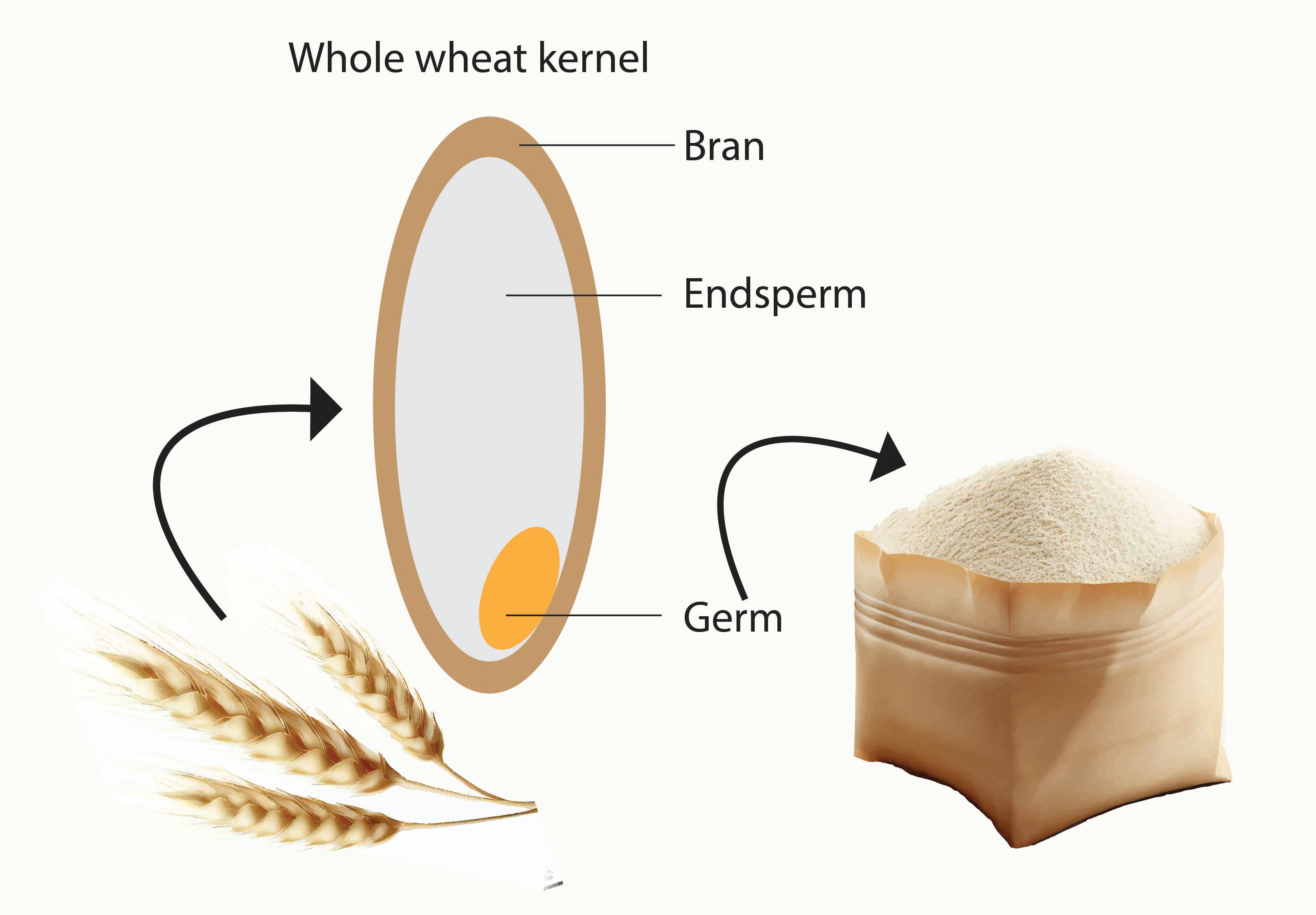 Similar to oats, wheat germ boasts a low glycemic index and abundant fiber,
making it advantageous for diabetes. Furthermore, wheat germ stands as a
nutrient-dense ingredient abundant in vitamins, such as B vitamins and
vitamin E, alongside enriched minerals including magnesium, zinc, and iron.
Notably, wheat germ houses unsaturated fats encompassing omega-3 and
omega-6 fatty acids, known for supporting heart health and potentially
mitigating cardiovascular risks—an aspect of high significance, particularly
for individuals managing diabetes.
Similar to oats, wheat germ boasts a low glycemic index and abundant fiber,
making it advantageous for diabetes. Furthermore, wheat germ stands as a
nutrient-dense ingredient abundant in vitamins, such as B vitamins and
vitamin E, alongside enriched minerals including magnesium, zinc, and iron.
Notably, wheat germ houses unsaturated fats encompassing omega-3 and
omega-6 fatty acids, known for supporting heart health and potentially
mitigating cardiovascular risks—an aspect of high significance, particularly
for individuals managing diabetes.
3. Whole grains
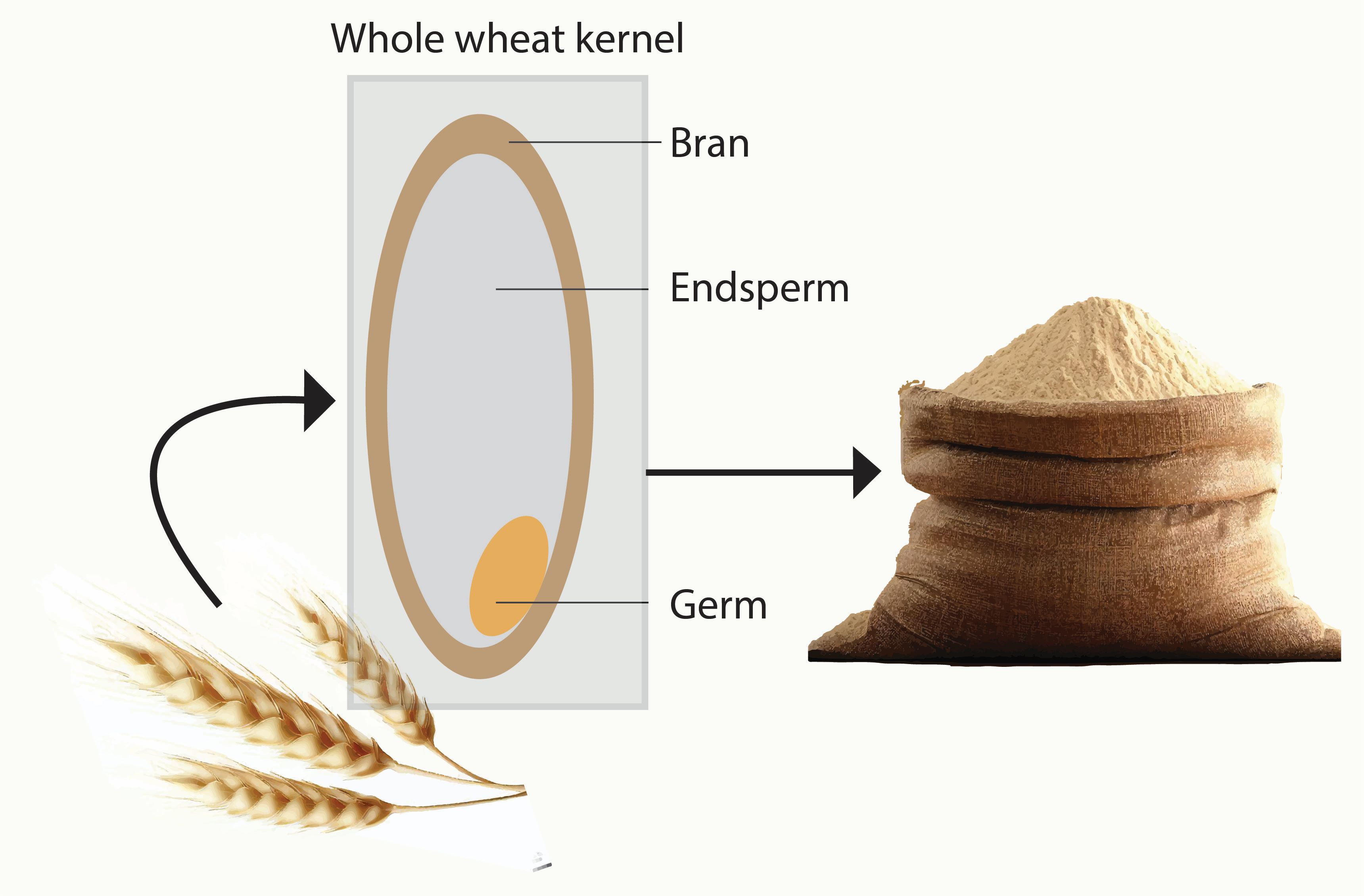 Whole grains encompass all three parts of the grain kernel—the bran,
germ, and endosperm, furnishing vital nutrients and fiber. Packed
with dietary fiber, vitamins, minerals, antioxidants, and healthy fats,
they particularly shine in bran and germ components. These grains
correlate with lower heart disease risk due to LDL cholesterol reduction,
improved cardiovascular well-being via fiber. Their fiber also curbs
sugar absorption, aiding blood sugar control and diabetes risk cut.
The blend of fiber and protein fosters fullness, valuable for balanced
weight management.
Whole grains encompass all three parts of the grain kernel—the bran,
germ, and endosperm, furnishing vital nutrients and fiber. Packed
with dietary fiber, vitamins, minerals, antioxidants, and healthy fats,
they particularly shine in bran and germ components. These grains
correlate with lower heart disease risk due to LDL cholesterol reduction,
improved cardiovascular well-being via fiber. Their fiber also curbs
sugar absorption, aiding blood sugar control and diabetes risk cut.
The blend of fiber and protein fosters fullness, valuable for balanced
weight management.
4. Barley flour
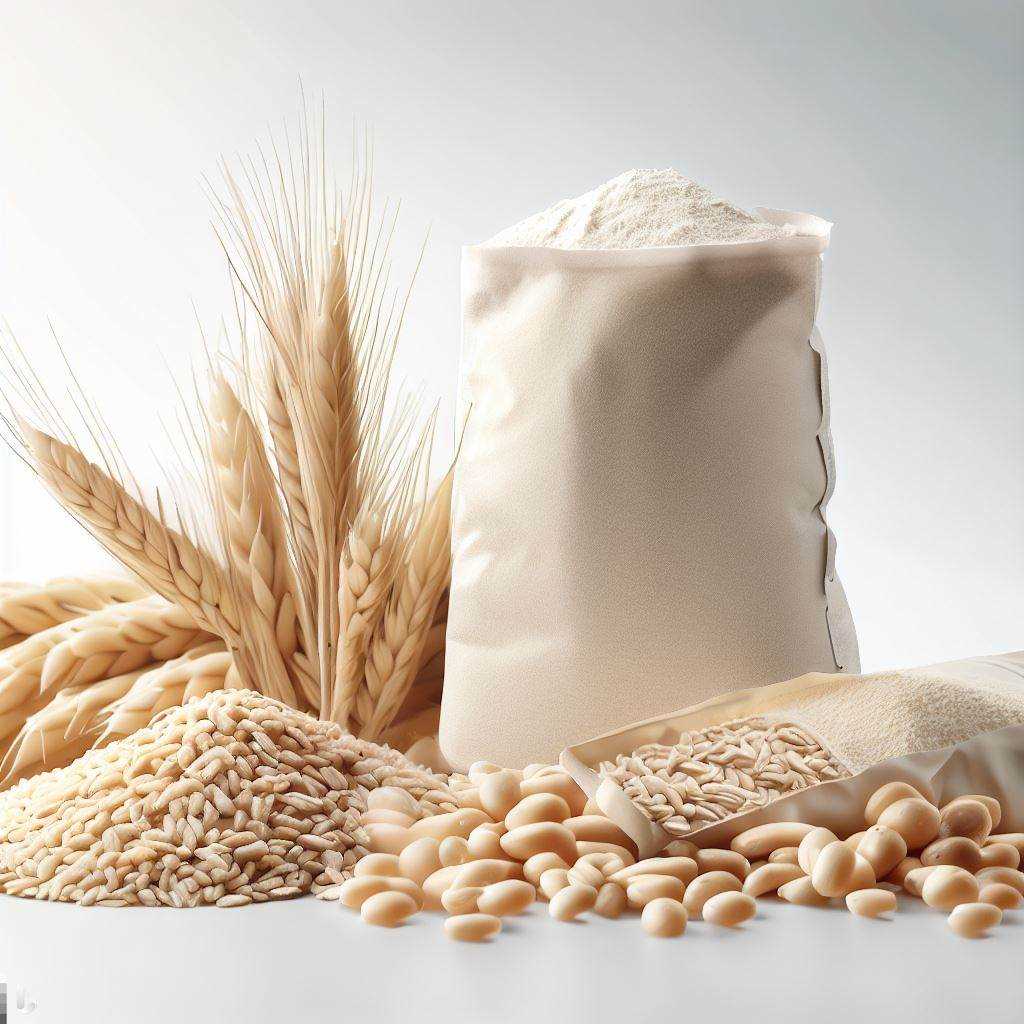 Barley's nutritional content aligns closely with oats, sharing their high-fiber
attributes, encompassing soluble and insoluble fibers. This composition
potentially grants barley a low glycemic index, advantageous for diabetes
management. Remarkably, barley stands out for its exceptional beta-glucan
content, surpassing other ingredients. This factor links to better blood
glucose regulation and lowered insulin resistance, carrying significant
implications for diabetes care., which has been associated with improved
blood glucose control and reduced insulin resistance.
Barley's nutritional content aligns closely with oats, sharing their high-fiber
attributes, encompassing soluble and insoluble fibers. This composition
potentially grants barley a low glycemic index, advantageous for diabetes
management. Remarkably, barley stands out for its exceptional beta-glucan
content, surpassing other ingredients. This factor links to better blood
glucose regulation and lowered insulin resistance, carrying significant
implications for diabetes care., which has been associated with improved
blood glucose control and reduced insulin resistance.